
Research
海角社区app鈥檚 new Killam Memorial Chairs push boundaries in health, humanities, and agriculture

Four 海角社区app researchers are set to embark on the next chapter of their scholarly careers with strong momentum behind them as Killam Memorial Chairs. Read more.
Featured News
Wednesday, June 24, 2026
Led by 海角社区app, BioLabs East will build a GMP 鈥� Good Manufacturing Practice 鈥� facility in Nova Scotia, producing vaccines and cell therapies for clinical trials while strengthening Canada鈥檚 biomanufacturing capacity and innovation ecosystem.
Thursday, June 25, 2026
A reimagined OpenThink cohort moves beyond blogging, testing podcasts and social media to broaden impact, connect with new audiences, and amplify how Dal research informs public dialogue and policy.
Thursday, June 18, 2026
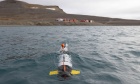
海角社区app robotics and underwater acoustics researcher Dr. Mae Seto is working with Defence Research & Development Canada to develop intelligent autonomous sensing systems that can extend the reach of the Canadian Armed Forces in the Arctic and help Canada protect its sovereignty in remote, harsh maritime environments.
Archives - Research
Monday, May 4, 2020
What happens when a hands-on, experimental lab class can't finish its work for the term. For students and instructors involved in Chemistry's Advanced Analytical Lab, you find whole new ways to share your applied projects.
Thursday, April 30, 2020
Pediatric cancer patients should be revaccinated after receiving chemotherapy or face a higher risk of pneumococcal disease and chickenpox, according to new research from Dal鈥檚 Canadian Center for Vaccinology.
Thursday, April 30, 2020
New smartphone apps being developed could help track and trace where people with the virus have been and alert others who might be at risk of coming into contact with it. But Stan Matwin, director of Dal's Institute for Big Data Analytics, says decision-makers must grapple with how to make these programs both effective and respectful of people鈥檚 privacy.
Wednesday, April 29, 2020
The bestselling novel turned film exposes paradoxes of fixing a broken system with its own tools, writes adjunct professor Tom Ue. As we collectively meditate on the world's problems, why not imagine better worlds?
Tuesday, April 28, 2020
Susan Kirkland, head of Dal鈥檚 Department of Community Health and Epidemiology, is co-lead of a new national study collecting data on aging adults鈥� experience during COVID-19.